How We Approach Ecological Stories
Quveliotroves is an independent field desk. We write about rare habitats by asking what holds them together, and who has been paying attention for longest.
Relationships before rankings
We don't publish "most exotic places" lists. A habitat is distinctive because of its dependencies: where its water comes from, which plants specialise in its soils, which animals pollinate or disperse them, and how people manage it. Every article we write starts by tracing at least one of those relationships.
Evidence we lean on
Figures on our pages come from named sources such as the FAO Global Forest Resources Assessment, the Ramsar Convention, UNESCO World Heritage listings, the IUCN Red List and Critical Ecosystem Partnership Fund hotspot profiles. Where science is still debated, as with the extent of resource-sharing through fungal networks, we say so.
Local knowledge is evidence too
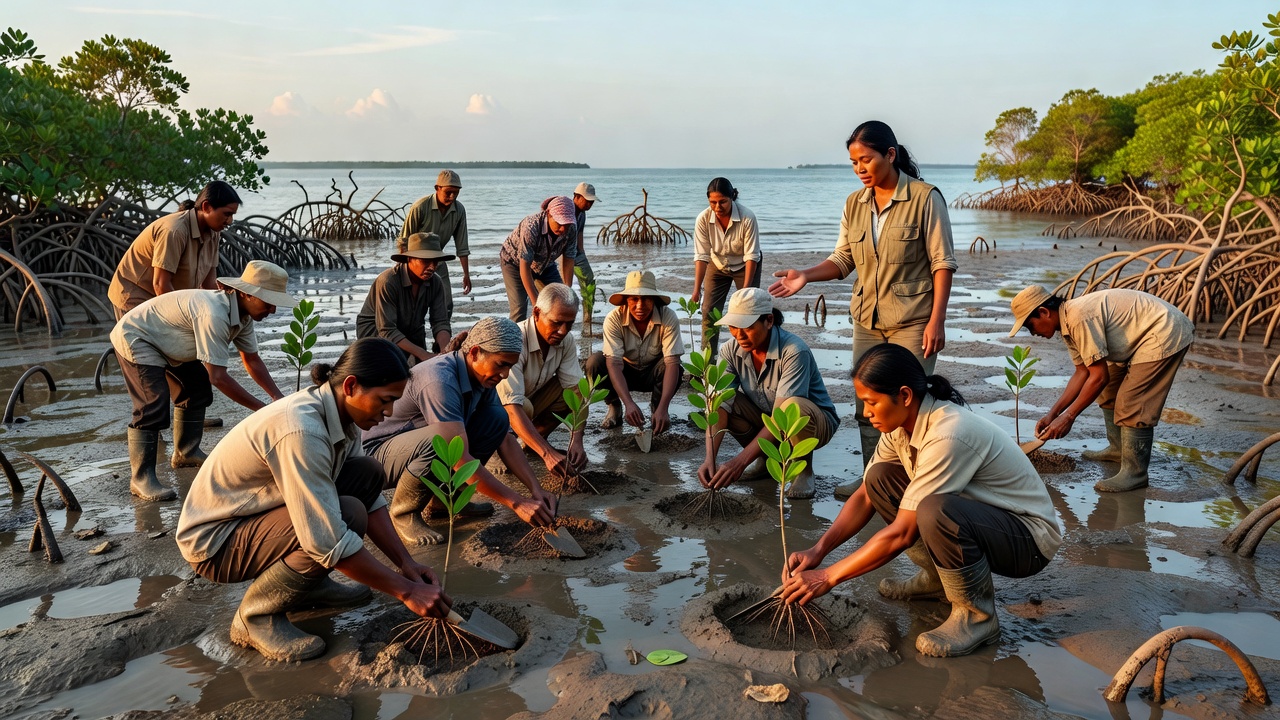
Guides, herders, fishers and Indigenous land managers often notice ecological change first. We credit them by name or community where they agree, and we avoid framing landscapes as empty wilderness.
Our editorial commitments
- Every statistic carries a source.
- No exact locations for rare or collectable species.
- Corrections are welcomed and noted.
- No paid placements or sponsored rankings.
Who is behind the field desk
Editorial team
A small group of writers with backgrounds in field ecology, environmental journalism and wetland monitoring, based in the Scottish Highlands.
Reviewers
We ask specialists and local practitioners to read pieces touching their region before publication whenever possible.
Independence
Quveliotroves is not affiliated with any conservation organisation, government or park authority mentioned on the site.